

The Chagos Archipelago is a cluster of more than 60 small islands in the Indian Ocean, about 310 miles south of Maldives and 1,200 miles east of Mauritius. With a history of at least 2,000 years and a rich biodiversity, the Chagos Islands have been at the centre of a long-standing dispute between colonial powers and the local population.
Origins and early history of the Chagos Islands
Portuguese sailor Pedro de Mascarenhas first documented the Chagos Islands in 1512. Dutch explorers visited these uninhabited islands in the early 17th century but did not attempt to colonise them. However, it wasn’t until the late 18th century that French settlers laid claim over the archipelago, establishing coconut plantations and bringing African slaves to work on them.

In 1814, following Napoleon’s defeat in Europe, France ceded the entire archipelago, along with Mauritius and Seychelles, to Great Britain under the Treaty of Paris. For much of its colonial history, Chagos was governed as part of Mauritius.
The British continued the plantation economy, and the population during this time consisted mainly of enslaved people brought from Africa and their descendants, along with a small number of European settlers and administrators. This population, which developed a distinct Creole culture and language over the years, constituted the Chagossians.
The strategic importance of the Chagos Islands
During World War II, British authorities identified Diego Garcia – one of Chagos’ largest islands – as a convenient location for a transhipment point to ferry supplies to European forces in Asia. In 1965 – just three years before Mauritius gained its independence – Britain detached the Chagos Archipelago from its Indian Ocean colony to form the British Indian Ocean Territory (BIOT). This decision allowed London to retain control over these strategic islands after Mauritius became independent.
Establishment of US military base on Diego Garcia
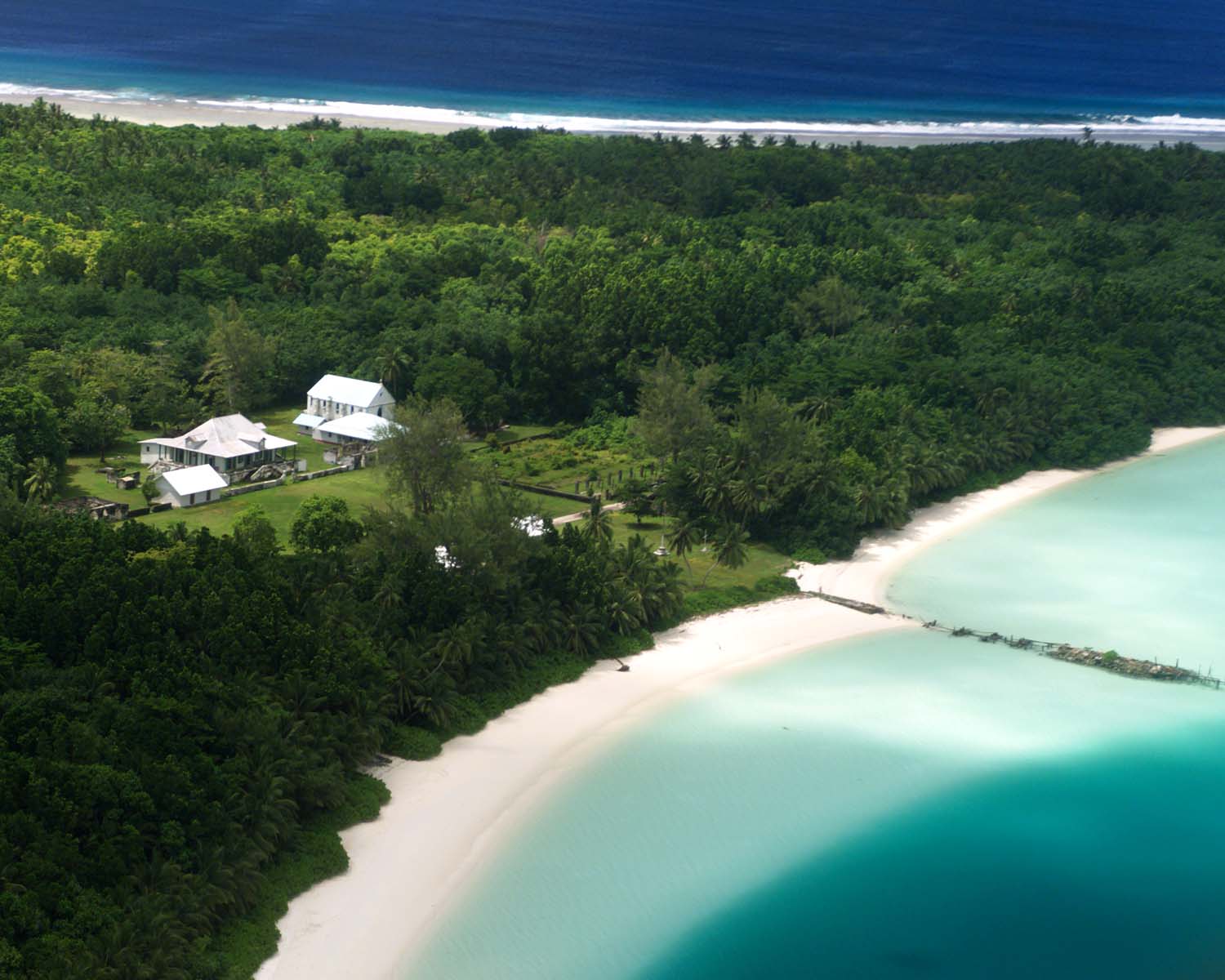
In return for financial aid and support for Polaris submarines’ purchase under the terms of the 1966 agreement between the US and the UK, Britain allowed the American military to use the islands – in particular, Diego Garcia – as an airbase. Consequently, residents were forcibly evicted between 1968 and 1973 to make way for military installations.
The legal battle for the Chagos Islands
Mauritius has long argued that detaching the Chagos Archipelago before granting independence amounted to a violation of international law. Over the years, numerous legal battles have taken place concerning the sovereignty of Chagos, with the Permanent Court of Arbitration, the International Court of Justice (ICJ), and the United Nations General Assembly playing key roles.
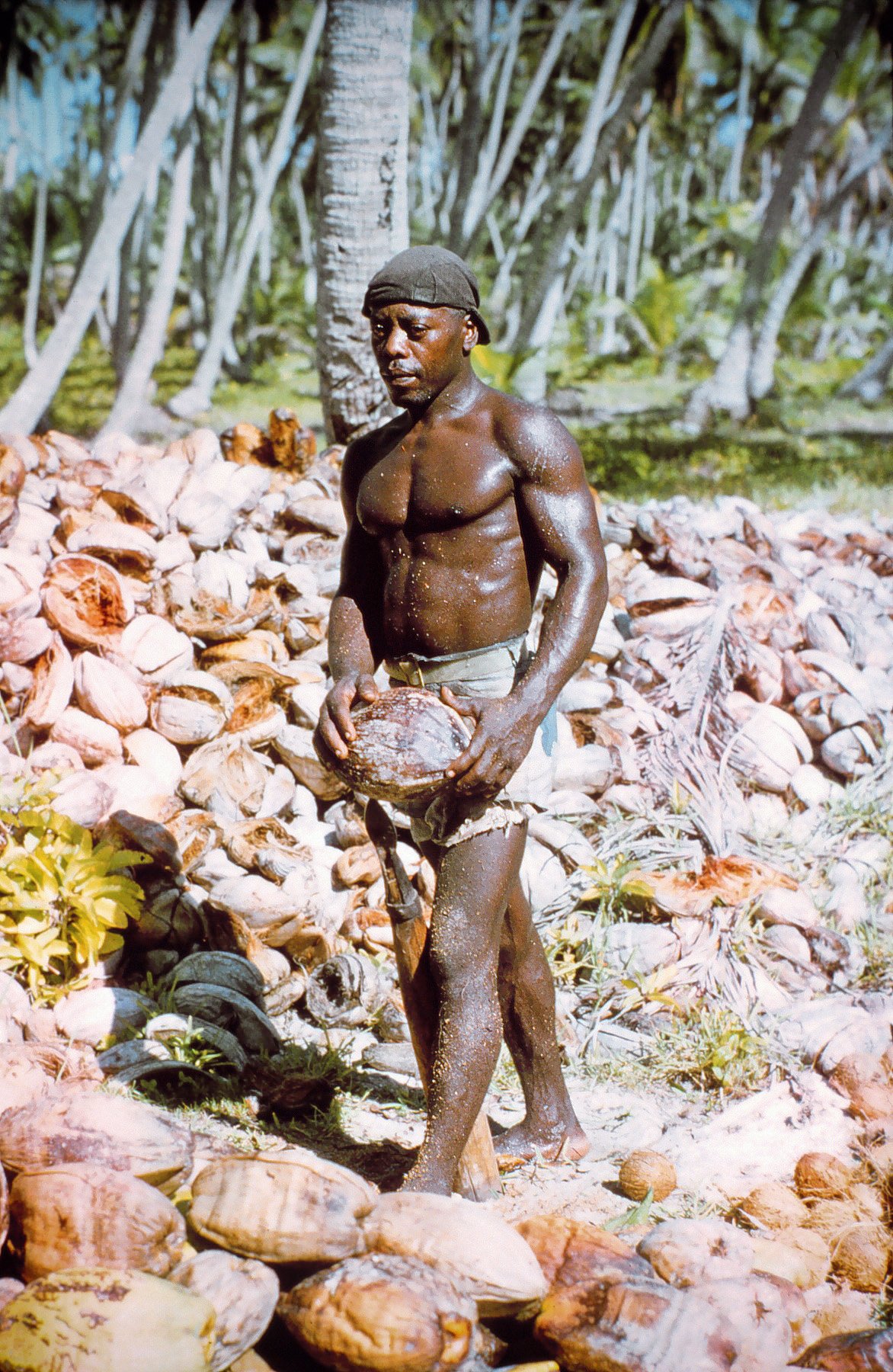
http://www.photolib.noaa.gov/htmls/geod0341.htm, Public domain, via Wikimedia Commons
In February 2019, ICJ ruled in an advisory opinion that Britain’s decolonisation of Mauritius remained incomplete without the Chagos Archipelago and that it must be returned. Later that year, the UN General Assembly passed a resolution backing ICJ’s ruling. However, the UK has shown no sign yet of relinquishing its claim over the disputed territory.
Impact on the Chagossian people
The eviction in the late 60s and early 70s had a profound impact on many Chagossians, who were forced to leave their homes without any compensation or alternative plans for settlement. About 1,500 people faced poverty, cultural alienation and societal discrimination as they sought refuge in Mauritius, Seychelles and other countries.
Today, many Chagossians continue to fight for their right to return home despite ongoing legal battles and political issues surrounding the island’s sovereignty.
Environment
The environment of the Chagos Islands is notable for its rich marine biodiversity. The archipelago is home to the world’s largest coral atoll. It has a vast array of marine life, making it an important area for environmental and scientific research. The waters around the islands have been declared a marine protected area. However, this designation has been contentious due to the sovereignty dispute and the displacement of the Chagossians.
The history of the Chagos Islands encompasses colonisation, geopolitical conflict and human tragedy. The struggle between colonial powers – Britain and Mauritius – continues to overshadow people’s right to return to their ancestral lands. While legal disputes remain unsettled, it is important to remember that the history of the Chagos Islands is more than a legal case. The Chagos Islands are a place where people lived, loved and died.


Leave a Reply