
What is Juneteenth?
Juneteenth is a holiday commemorating the end of slavery in the United States. It is observed annually on 19 June. It is also called Emancipation Day, or Juneteenth Independence Day or Freedom Day.
The term Juneteenth is a combination of the words June and nineteenth.
History of Juneteenth
During the American Civil War in 1863, President Abraham Lincoln issued the Emancipation Proclamation, which declared slaves living in the Confederate states to be free.
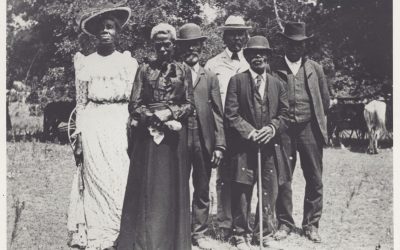
On June 19 1865, following the surrender of Confederate General Robert E. Lee, Gordon Granger, a Union general, arrived in Galveston, Texas, to inform enslaved African Americans of their freedom and that the Civil War had ended. General Granger’s announcement put into effect the Emancipation Proclamation, which had been issued more than two and a half years earlier.
The former slaves immediately began to celebrate with prayer, song, feasting and dance.
This is the shortened version of the history of freedom from enslavement in the United States. The reality is not all slaves were free.
Emancipation Proclamation
On 22 September 1862, President Lincoln issued the preliminary Emancipation Proclamation, declaring that from 1 January 1863, all enslaved people in the states currently engaged in rebellion against the Union “shall be then, thenceforward, and forever free.”
In his first inaugural address in early 1861, Lincoln declared that he had “no purpose, directly or indirectly, to interfere with slavery in the States where it exists.” He didn’t believe the Constitution gave the federal government the power to abolish it in the states where it already existed, only to prevent its establishment in new western territories that would eventually become states.
Essentially, this meant that Lincoln didn’t free any of the approximately 4 million men, women and children held in slavery in the United States when he signed the formal Emancipation Proclamation the following January. The document applied only to enslaved people in the Confederacy and not to those in the border states that remained loyal to the Union.
The Civil War was essentially a conflict over the economics of slavery and political control of that system. The way Lincoln saw it, emancipation, when it came, would have to be gradual, as the most important thing was to prevent the Southern rebellion from permanently cutting the Union in two. As the Civil War entered its second summer in 1862, thousands of enslaved people had fled Southern plantations to Union lines. The federal government didn’t have a clear policy on how to deal with them. Lincoln saw that emancipation, would help to undermine the Confederacy and the Union would benefit from a new source of manpower in the form of freed slaves who would help put down the rebellion.
Thirteenth Amendment
The Emancipation Proclamation did, however, pave the way for the permanent abolition of slavery in the United States. By the end of January 1865, the Thirteenth Amendment had been passed in both houses of Congress and was ratified in December of the same year. The 13th Amendment abolished slavery and involuntary servitude, except as punishment for a crime.
How is Juneteenth celebrated?
After they were freed, some former slaves and their descendants would travel to Galveston annually in honour of Juneteenth. That tradition soon spread to other states.

Celebrations were elevated in 1872 when a group of African American ministers and businessmen in Houston purchased 10 acres of land and created Emancipation Park. The space was intended to hold the city’s annual Juneteenth celebration.
Today, people get together with family and friends to celebrate Juneteenth in many ways, from cookouts to church services to musical performances or parades.
Traditional foods eaten on Juneteenth include a variety of soul food dishes and desserts such as collard greens, black-eyed peas, red velvet cake and other classics.
Juneteenth declared federal holiday
Juneteenth became a state holiday in Texas in 1980, and a number of other states subsequently followed suit. On 17 June 2021, President Joe Biden signed a bill into law officially recognising Juneteenth as a federal holiday.


Leave a Reply