
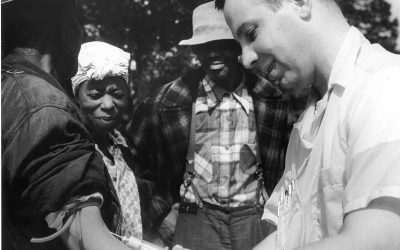
The Tuskegee Syphilis Study remains a dark chapter in the history of American medical research. The study, officially known as the Tuskegee Study of Untreated Syphilis in the Negro Male, occurred between 1932 and 1972 and involved unethical experimentation on African American patients in rural Alabama. This article aims to shed light on the various aspects of this notorious study, its consequences, and its lasting impact on medical research ethics and the African American community.
Background of the Study
The origins and purpose
The Tuskegee Syphilis Study was conducted by the US Public Health Service (PHS) with the primary goal of examining the natural course of untreated syphilis in African American men. The research sought to determine whether syphilis caused cardiovascular damage more often than neurological damage and if the natural progression of the disease in black men significantly differed from that in white men.
The PHS collaborated with the prestigious Tuskegee Institute (now Tuskegee University) in Macon County, Alabama, to conduct the study. A total of 399 infected patients and 201 uninfected control patients, all impoverished sharecroppers, were recruited for the program. Initially, the study was planned to last only six to nine months.
Recruitment and deception
The participants were lured into the study by the promise of free medical care, which was a rare opportunity for most of them. Many had never visited a doctor before. The men were told they were being treated for “bad blood,” a local term used to describe various ailments at the time. They were not informed that they had syphilis or that the disease could be transmitted through sexual intercourse.
The unethical conduct of the study
Withholding treatment
Although treatment was initially part of the study, the original research failed to produce any useful data. Consequently, the decision was made to follow the subjects until their deaths and all treatment was halted. This meant that even when penicillin became available in the mid-1940s as the recommended treatment for syphilis, it was denied to the infected men. This denial of treatment continued for 25 years, directly violating government legislation mandating the treatment of venereal diseases.
Health consequences for participants and their families
For many participants, the lack of proper treatment led to severe health problems. Many died, went blind, or went insane due to untreated syphilis. It is estimated that more than 100 subjects died of tertiary syphilis. Moreover, at least 40 spouses were diagnosed with the disease, and it was passed down to 19 children at birth.
Exposure and public outrage

Whistleblowing and media coverage
In the mid-1960s, Peter Buxton, a PHS venereal disease investigator, discovered the Tuskegee study and raised concerns about its unethical nature with his superiors. In response, PHS officials formed a committee to review the study but ultimately decided to continue it. Buxton then leaked the story to a reporter friend, who passed it on to Jean Heller of the Associated Press. Heller broke the story in July 1972, causing public outrage and forcing the study to shut down.
Legal action and settlement
In 1973, Congress held hearings on the Tuskegee experiments. The following year, the study’s surviving participants and the heirs of those who died received a $10 million out-of-court settlement. Additionally, new guidelines were issued to protect human subjects in US government-funded research projects.
The aftermath and legacy of the study
The National Research Act and institutional review boards
As a direct result of the Tuskegee Syphilis Study’s exposure, the US Congress passed the National Research Act in 1974. This legislation required institutional review boards to approve all studies involving human subjects, ensuring ethical standards and the protection of participants in future research.
Impact on the African American community
The Tuskegee experiment had a profound and lasting effect on the African American community. The study’s unethical conduct led to a deep-rooted mistrust of public health officials and vaccines among many African Americans. This mistrust has persisted for decades and continues to impact the community’s engagement with healthcare.
Presidential apology and the National Center for Bioethics in Research and Health Care
In an effort to foster racial healing and acknowledge the wrongdoing, President Bill Clinton issued a formal apology in 1997, stating, “The United States government did something that was wrong–deeply, profoundly, morally wrong… It is not only in remembering that shameful past that we can make amends and repair our nation, but it is in remembering that past that we can build a better present and a better future.”
During his apology, Clinton announced plans to establish Tuskegee University’s National Center for Bioethics in Research and Health Care.
Related unethical studies
The Guatemala syphilis experiment
The Tuskegee study was not the first unethical syphilis experiment conducted by the US government. In 2010, President Barack Obama and other federal officials apologised for another US-sponsored experiment that took place in Guatemala between 1946 and 1948. In this study, nearly 700 men and women, including prisoners, soldiers, and mental patients, were intentionally infected with syphilis without their knowledge or consent.
The study aimed to determine whether penicillin could prevent, not just cure, syphilis infection. Some of those who became infected never received medical treatment. The results of the study were never published, and the American public health researcher in charge of the project, Dr John Cutler, later became a lead researcher in the Tuskegee experiments.
The Tuskegee Syphilis Study remains a haunting reminder of the unethical practices that once pervaded medical research. Its exposure and the subsequent outcry led to significant changes in research ethics and the protection of human subjects. However, the study’s lasting impact on the African American community is a stark reminder of the importance of transparency, accountability, and ethical conduct in all aspects of medical research.


Leave a Reply