
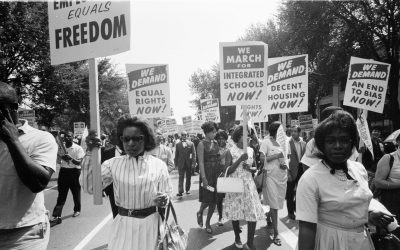
The American Civil Rights movement of the 1960s remains a monumental period in American history, as it brought about significant changes in legislation and social attitudes towards racial inequality. From the late 1950s to the end of the 1960s, civil rights leaders led a revolution that pushed back against systemic racism, discrimination, and segregation. This article will explore the prominent leaders of this era and the progress made in advancing civil rights.
Leaders of the Civil Rights Movement
1. Martin Luther King Jr.
Arguably the most influential leader of the Civil Rights Movement, Dr Martin Luther King Jr., was a pastor and activist. His nonviolent protests and speeches inspired millions and defined his leadership style. He is best known for his role in advancing the cause through key historical events like the Montgomery Bus Boycott and the March on Washington, where he delivered his renowned “I Have a Dream” speech.
2. Malcolm X
A prominent figure during this time period, Malcolm X was an outspoken advocate for racial justice and Black empowerment. He believed in defending Black rights by any means necessary, contrasting sharply with King’s nonviolent approach. His teachings inspired many to action, making him an important voice in challenging US policies on race issues.
3. Rosa Parks
Famously known for her pivotal role in initiating the Montgomery Bus Boycott, Rosa Parks held deep convictions about racial equality. Her act of defiance against segregated bus seating policies propelled civil rights issues into the national consciousness and inspired others to challenge entrenched discriminatory practices.
4. Medgar Evers
A leader in Mississippi’s civil rights movement, Medgar Evers helped grow NAACP (The National Association for the Advancement of Colored People) membership across the southern states while working toward desegregation and an end to racially motivated violence.
5. Thurgood Marshall
As a key architect behind some of the most significant legal victories for civil rights in the 1960s, Thurgood Marshall played a central role in dismantling institutionalised racism. Most notably, he argued and won the landmark Brown v. Board of Education case, leading to desegregation in American schools.
Progress made
1. Brown v. Board of Education (1954)
This crucial Supreme Court ruling declared segregation in public schools unconstitutional, setting the stage for broader integration efforts and sparking national conversations on race and equality.
2. Civil Rights Act of 1964
This comprehensive legislation outlawed discrimination based on race, colour, religion, sex or national origin. It prohibited unequal voter registration rules and racial segregation in schools, at work, and in public accommodations.
3. Voting Rights Act of 1965
This act enforced the 15th Amendment to the US Constitution by prohibiting racial discrimination in voting practices, which had long prevented Black citizens from registering to vote.
4. Fair Housing Act of 1968
This law prohibited discrimination concerning the sale, rental, or financing of housing based on race, religion, or national origin – with sex added as a protected category later.
In summary, the American Civil Rights Movement of the 1960s was propelled by powerful leaders like Martin Luther King Jr., Malcolm X, Rosa Parks, Medgar Evers, and Thurgood Marshall. Their collective efforts led to significant progress in dismantling racial segregation and advancing equal rights for minorities. While much work remains to be done to fully eradicate racial inequality in America, these individuals have left a lasting impact as trailblazers for social justice and change.


Leave a Reply