
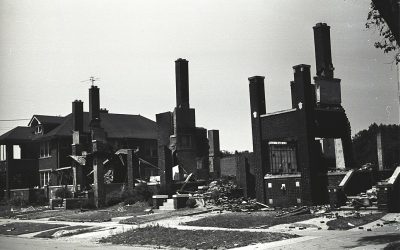
The 1967 Detroit Riots, also known as the 12th Street Riots, was one of the most significant and destructive civil disturbances in American history. This five-day conflict, which erupted on 23 July 1967, laid bare the deep racial and economic tensions simmering in Detroit and many other urban centres across the United States. This article delves into the causes, events, and aftermath of the riots, highlighting their lasting impact on the city and the nation.
Background and causes
Detroit in the 1960s was a city of stark contrasts. On one hand, it symbolised American industrial might, home to the booming automobile industry. On the other, it was a city riddled with racial segregation, economic disparity, and social tension. African Americans, who constituted a significant portion of the city’s population, faced systemic discrimination in housing, employment, and education. The police force, predominantly white, was often seen as an oppressive instrument of the establishment, contributing to a fraught relationship with the black community.
The immediate spark for the riots occurred in the early hours of 23 July 1967, when Detroit police raided an unlicensed, after-hours bar on 12th Street, arresting 82 African Americans celebrating the return of two local servicemen from the Vietnam War. Tensions escalated rapidly as onlookers watched the arrests, and soon, the situation spiralled out of control.
Riots erupt
By dawn, what began as a relatively minor police action had erupted into widespread looting, arson, and violence. The initial anger over the police raid quickly morphed into a broader expression of frustration and rage against systemic injustices. Within hours, thousands of people were involved, and the scale of the destruction rapidly overwhelmed local law enforcement.
Governor George Romney called in the Michigan National Guard on the second day of the riots, and President Lyndon B. Johnson eventually deployed federal troops to restore order. Despite these efforts, the riots raged on for five days, leaving a trail of devastation. When the smoke finally cleared, 43 people were dead, over 1,000 were injured, nearly 7,000 were arrested, and more than 2,000 buildings were destroyed. The economic damage was estimated at around $50 million, a staggering sum at the time.
Aftermath and legacy
The aftermath of the Detroit riots was a sobering moment for America, highlighting the urgent need to address racial and economic inequality. The federal government responded with a series of initiatives aimed at alleviating urban poverty and promoting civil rights. The Kerner Commission, established by President Johnson to investigate the causes of the riots, famously concluded that the nation was “moving toward two societies, one black, one white—separate and unequal.” The Commission’s report called for sweeping reforms to tackle segregation and economic disparity, though many of its recommendations went unheeded.
For Detroit, the riots marked the beginning of a long, painful period of decline. The city’s population began to shrink as residents and businesses fled to the suburbs, further eroding the economic base. The scars of the 1967 riots can still be seen today in the form of abandoned buildings and vacant lots, serving as a stark reminder of the city’s troubled past.
The 1967 Detroit riots were a watershed moment in American history, exposing deep-rooted issues of racial inequality and economic injustice that continue to resonate today. While the immediate aftermath brought some efforts at reform, the broader structural changes necessary to address the underlying causes of the unrest have been slow and uneven.


Leave a Reply