
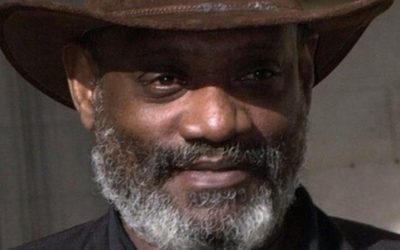
Darcus Howe, a Trinidad-born activist, writer, and broadcaster, played a significant role in the fight for racial equality in Britain. With his roots in the Black Power movement, Howe used his journalism, broadcasting, and political activism expertise to challenge racism and promote multiculturalism in the UK. His work with prominent publications like Race Today and television programs such as The Bandung File and Devil’s Advocate brought discussions about race and diversity to the mainstream. This article delves into the life of Darcus Howe and his impact on the fight for racial equality in Britain.
Early life and education
Leighton Rhett Radford, better known as Darcus Howe, was born on 26 February 1943 in Moruga, Trinidad. His parents, Lucille (née Rudder) and Cipriani Howe were both educators, and his father also served as an Anglican priest. Darcus’ upbringing was heavily influenced by the teachings of his parents, who instilled in him the values of education and social justice.
Howe won a scholarship to Queen’s Royal College, an elite school in Port of Spain, Trinidad. There, he studied Latin and became involved in the movement for Trinidadian independence. During his time at the college, he also became acquainted with the Renegades, a street gang associated with a local steel band in East Dry River. This early exposure to grassroots activism would later play a significant role in shaping Howe’s political career.
The Black Power Movement and early activism
In 1961, Howe travelled to Britain intending to train as a barrister. However, after experiencing racial tension and discrimination, he abandoned his legal studies to focus on Black Power politics and radical journalism. He returned to Trinidad and became involved in the Black Power movement in the US and the Caribbean.
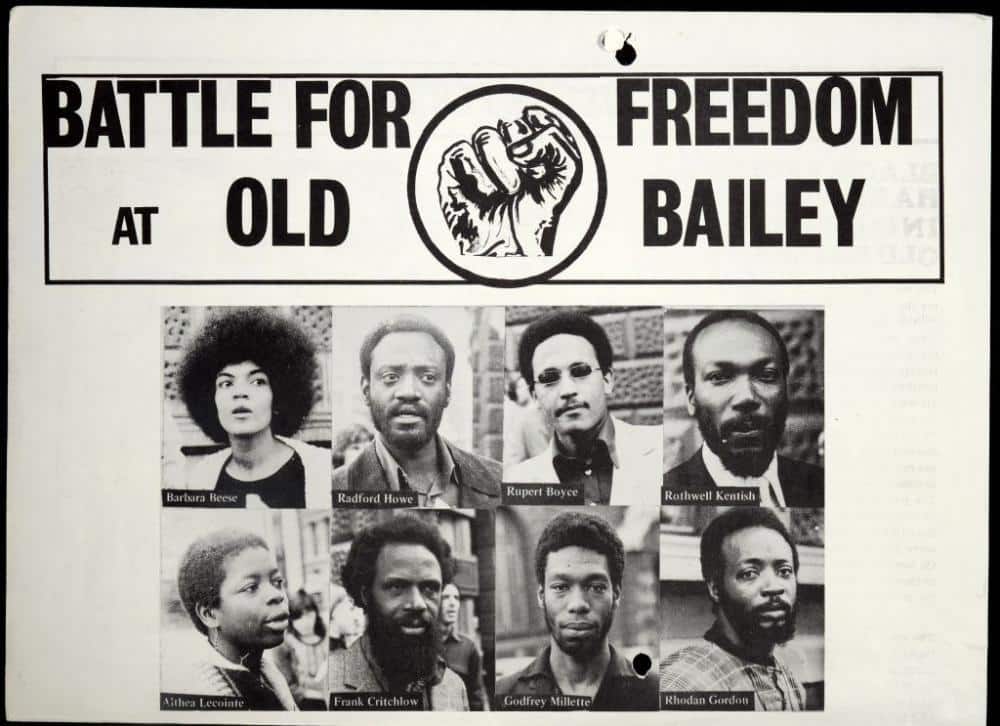
In 1968, Howe moved back to London and joined the British Black Panthers, a group dedicated to fighting racism and promoting social justice for black people in the UK. He played an instrumental role in the campaign to defend the Mangrove Restaurant in Notting Hill, a crucial hub for the Caribbean community in London. Howe’s involvement in the Mangrove trial, which resulted in the acquittal of the Mangrove Nine and a judicial acknowledgement of racial hatred, sent shockwaves through the British political establishment.
Race Today Collective
In 1973, Howe established the Race Today Collective, a group of activists and journalists who aimed to document and support grassroots campaigns in Britain and abroad. The collective published a magazine, Race Today, which served as a platform for their work. Among the members were Leila Hassan, the deputy editor and later Howe’s wife, Linton Kwesi Johnson, the celebrated dub poet; Barbara Beese, one of the Mangrove Nine; and Farrukh Dhondy, a writer and commissioning editor for Channel 4 television.
The Race Today Collective played a significant role in supporting various social movements, including the Grunwick film processing laboratory strike in 1976 and the Bengali Housing Action Group’s squatting campaign in Tower Hamlets. The collective also organised a day of action following the New Cross Fire in 1981, which saw the largest political demonstration by black people in Britain at that time.
Television Career: The Bandung File and Devil’s Advocate
Howe’s television career began with The Bandung File, a TV series commissioned by Channel 4 in 1985. Co-edited with Tariq Ali, the show covered topics such as pirate radio in London, the economic policies of Julius Nyerere in Tanzania, and the overthrow of “Baby Doc” Duvalier in Haiti. The Bandung File brought issues of race and diversity to primetime television, showcasing the struggles of black and Asian communities in Britain and around the world.
In 1992, Howe launched Devil’s Advocate, a television program that put people in authority under public scrutiny. The show was known for its confrontational style and Howe’s ability to hold powerful figures accountable. Over its four-year run, Devil’s Advocate featured high-profile guests such as Arthur Scargill, Winnie Mandela, Nigel Benn, John Fashnu, and Chris Eubank. The program attracted both praise and criticism for its unapologetic approach to tackling racial and social issues.
Later life and legacy
Darcus Howe continued to be an influential figure in British media and politics until his death on 1 April 2017 at the age of 74. He was a regular columnist for the Evening Standard and the New Statesman and appeared on various television programs.
Diagnosed with prostate cancer in 2007, Howe worked with the NHS and Channel 4 to raise awareness about the disease, which disproportionately affects black men from the Caribbean, America, and the West Coast of Africa.
Darcus Howe’s life and work are a testament to his tireless efforts in fighting for racial equality and promoting multiculturalism in Britain. Through journalism, television, and activism, he made a lasting impact on the struggle for social justice and racial harmony in the UK.


Leave a Reply