
The theme of Black History Month 2021 is Proud to Be. How did our ancestors reclaim their dignity, and what made them proud to be after slavery?
I grew up listening to a lot of uplifting songs that told me I should be proud to be black. Growing up during a time when the National Front were calling for black people to be “sent back”, songs like Young Gifted and Black and Black Pride were rather comforting.
As we continue the struggle to have our voices heard in 2021, I’m reminded of those who came before us and attempted to uplift black people after slavery. I discovered that there were several Jamaicans who travelled the world after slavery, reclaiming our connection to Africa and attempting to promote black pride. A few even claimed to be royalty.
Isaac Uriah Brown
In his book Rastafari: Roots and Ideology, Barry Chevannes writes about Isaac Uriah Brown who proclaimed his family ties to Abyssinian royalty sometimes as a “brother” or as a “Prince” himself.
In April 1904, dressed in stylish clothes, Brown arrived in Kingston, Jamaica on a steamship from London. Posing as Royal Prince Thomas Isaac Makarooroo of Ceylon, he spoke about Jamaica’s slave past, the oppressive social order, racial discrimination, the immoral system of taxation that fell most heavily on the peasantry, the absence of workers’ rights, low wages, and the highly unjust legal system. Brown introduced the question of Africa to all who would listen.
He was eventually arrested for sedition in 1905 after advocating for a strike for higher wages and non-payment of taxes. He told his audiences that after emancipation, each slave was to have received sixteen acres of land in compensation, but that the whites took it, and he was going to land his own troops to get it back. After serving a one-month sentence, Brown left for England, where he continued speaking on Africa.
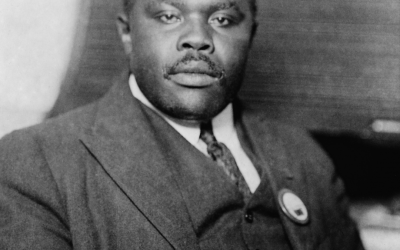
Marcus Garvey
Brown and others like him planted the seeds of a connection, and a return to Africa, but Marcus Mosiah Garvey was the most famous for spreading the word at home and abroad.
Born in St Ann, Jamaica, 53 years after slavery, Garvey became famous worldwide as a courageous leader who was eloquent in his call for improvement for Blacks. Among his main objectives, he wanted to restore black people’s dignity, which slavery and colonisation had damaged. Garvey sought the alliance of all Blacks through the establishment of the United Negro Improvement Association (UNIA) in 1914.
He ambitiously aimed to organise blacks everywhere, but the United States is where he accomplished the most and had the greatest influence. He spent many years there pursuing his goal of Black Unification, tapping into and increasing the growing black aspirations for wealth, justice and a sense of community. He often spoke out against economic exploitation and the disparagement of black culture.
Between 1914 and the 1920s, his UNIA was the largest black non-religious organisation in black history, larger than the civil rights movement and spanning from the United States and the Caribbean to Africa.

Whilst many black people turned away from Garveyism during his time, what he had to say concerning racial pride and the potential for great racial success still resonated. These threads were picked up by later civil rights activists such as Malcolm X, Stokely Carmichael and Martin Luther King, who called Marcus Garvey the first man “to give millions of Negroes a sense of dignity and destiny.”


Leave a Reply