• Skip to main content
  • Skip to after header navigation
  • Skip to site footer
Our history archive

Our History

Our History Archive, where history comes to life

  • Home
  • Colonisation
  • World History
  • Civil Rights
  • World cultures
  • Features
  • Wellbeing
  • Popular Culture

Pan-Africanism: A movement of unity and empowerment

Pan african
Features
1 October, 2010

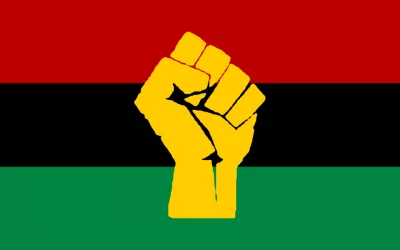
Pan-Africanism is a global movement that focuses on strengthening the bonds of solidarity among all people of African origin, including those in the diaspora living in the Americas and Europe. The primary goal of this movement is to foster unity and cooperation among African peoples for their collective economic, social, and political progress. The origins of Pan-Africanism can be traced back to the struggles of African people against enslavement and colonisation, starting with early resistance on slave ships and continuing through various uprisings and “Back to Africa” movements in the 19th century.

Central to Pan-Africanism is the belief that African people share not only a common history but also a common destiny. The movement is rooted in the idea that all Africans, regardless of geographical location, belong to a single race and share cultural unity. This shared historical fate includes experiences such as European imperialism, the Atlantic slave trade, and African slavery.

Some of the most important figures in Pan-Africanism include:


1. Marcus Garvey: A Jamaican political leader who founded the Universal Negro Improvement Association (UNIA) in 1914. Garvey advocated for “Back to Africa” movements and encouraged African Americans to take pride in their roots.

2. W.E.B. Du Bois: An influential American civil rights activist and author who helped organise multiple Pan-African congresses to address issues faced by Africans worldwide.

3. Kwame Nkrumah: The first prime minister and president of Ghana, who played a significant role in encouraging other African countries to push for independence from colonial rule. Nkrumah was also instrumental in establishing the Organization of African Unity (now known as the African Union).

These visionaries laid the foundation for modern Pan-Africanist thought and contributed significantly to heightening awareness about the challenges faced by African people worldwide.

At its core, Pan-Africanism seeks to empower African people and unite them in their quest for a better, more equitable future. The movement has influenced numerous political organisations and ideologies, including the establishment of the Organisation of African Unity (OAU) in 1963, which has since been succeeded by the African Union. 


The African Union Commission is now responsible for promoting and protecting Africa’s political, social, and economic interests, reflecting the continued importance and relevance of Pan-Africanism in the 21st century.

Share this:

  • Share on Facebook (Opens in new window) Facebook
  • Share on X (Opens in new window) X
  • Share on Reddit (Opens in new window) Reddit
  • Share on Pinterest (Opens in new window) Pinterest
  • Share on WhatsApp (Opens in new window) WhatsApp

Related

You May Also Like…

More details Jesse Jackson surrounded by marchers carrying signs advocating support for the Hawkins-Humphrey Bill for full employment,

Keep hope alive: The rise, power, and legacy of Jesse Jackson

The revolutionary icon: Ernesto "Che" Guevara

Ernesto “Che” Guevara: : The revolutionary icon

Portrait of Bartolomé de Las Casas (c.1484 - 1566)

Bartolomé de las Casas and the birth of human rights

William Randolph Hearst

William Randolph Hearst: The king of Yellow Journalism


Reader Interactions

Leave a ReplyCancel reply

Sidebar

This Day In History

No Events

More details Jesse Jackson surrounded by marchers carrying signs advocating support for the Hawkins-Humphrey Bill for full employment,

Keep hope alive: The rise, power, and legacy of Jesse Jackson

The revolutionary icon: Ernesto "Che" Guevara

Ernesto “Che” Guevara: : The revolutionary icon

Portrait of Bartolomé de Las Casas (c.1484 - 1566)

Bartolomé de las Casas and the birth of human rights

Trending

  • The history of the full English breakfast: A cultural institution
    The history of the full English breakfast: A cultural institution
  • The rise and fall of the Persian Empire
    The rise and fall of the Persian Empire
  • What are British values?
    What are British values?
  • The First Red Scare: America's post-WWI fear of Communism and radical change
    The First Red Scare: America's post-WWI fear of Communism and radical change
  • Brown v. Board of Education of Topeka: A Landmark Supreme Court Case in the Fight for Equality
    Brown v. Board of Education of Topeka: A Landmark Supreme Court Case in the Fight for Equality
  • The decolonisation of Africa
    The decolonisation of Africa
  • The major branches of Islam: History, beliefs, and differences
    The major branches of Islam: History, beliefs, and differences
  • Five countries that colonised the world
    Five countries that colonised the world
  • The Reconquista: Faith, power, and identity in medieval Iberia
    The Reconquista: Faith, power, and identity in medieval Iberia
  • The American Civil Rights Movement of the 1960s: Leaders and progress made
    The American Civil Rights Movement of the 1960s: Leaders and progress made

Connect

  • YouTube
  • TikTok
  • Bluesky

ABOUT

CONTACT

PRIVACY POLICY

COOKIES

Copyright © 2026 · Our History · All Rights Reserved