
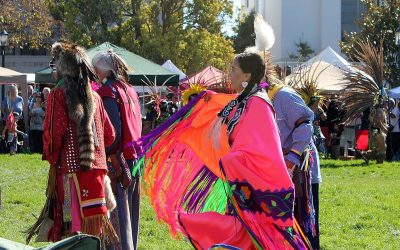
In a world grappling with the legacies of colonialism, Indigenous Peoples’ Day stands as a beacon of change and recognition for the original inhabitants of the Americas. This day, often observed as a substitute for Columbus Day, marks a significant shift in the historical narrative — from glorifying colonial conquest to acknowledging the rich cultures, histories, and rights of Indigenous communities. Yet, as this day gains traction, it also casts a spotlight on a more complex and unresolved issue: reparations for Indigenous peoples.
The journey towards recognising Indigenous Peoples’ Day in the United States epitomises a broader, global re-examination of history. Cities and states across the US have increasingly adopted this day, distancing themselves from the legacy of Christopher Columbus, a figure once uncritically celebrated as a ‘discoverer’ of the New World. This shift reflects a growing consciousness of the devastating impact of European colonisation on Indigenous populations — a history of displacement, cultural erasure, and violence.
However, the transformation of a public holiday is only a symbolic start. The question of reparations for Indigenous peoples remains a complex and contentious issue across the Americas. While symbolic gestures like renaming holidays are significant, they do not address the more profound, systemic injustices that Indigenous communities continue to face.
In the United States, despite various treaties and agreements made with Native American tribes, a comprehensive reparation program at the national level remains elusive. These treaties, often broken or inadequately fulfilled, have left a legacy of mistrust and unresolved grievances. Recent discussions about reparations have gained momentum but have yet to crystallise into a nationwide policy or consensus.
Canada offers a slightly different narrative. The Canadian government has made more concrete steps towards reparations, notably through the Indian Residential Schools Settlement Agreement, which compensated survivors of a deeply traumatic schooling system aimed at assimilating Indigenous children. This process, while significant, is just one part of Canada’s ongoing journey toward reconciliation with its Indigenous peoples. Land claim settlements and cultural recognition form other critical components of this process.
In Latin America, the picture varies dramatically from country to country. Some governments have acknowledged the mistreatment of Indigenous peoples, with efforts focusing mainly on land rights and cultural recognition. Yet, these efforts are often piecemeal and lack the comprehensive approach that actual reparations demand.
The call for reparations is not just about monetary compensation. It encompasses a range of measures, including the return of land, preservation and revitalisation of Indigenous languages and cultures, and legal reforms to protect Indigenous rights. Reparations also involve a more profound societal reckoning with history and the ongoing impacts of colonisation.
This reckoning is where Indigenous Peoples’ Day plays a crucial role. By reframing the narrative around the arrival of Europeans in the Americas, this day challenges societies to confront uncomfortable truths about their past. It’s a day for education, reflection, and action — an opportunity to recognise the resilience and diversity of Indigenous communities and to commit to addressing the injustices they have endured.
However, commemorating Indigenous Peoples’ Day without advancing the cause of reparations risks reducing this important occasion to a mere symbolic gesture. The day must be a catalyst for deeper change, driving conversations and policies that lead to tangible reparations and reconciliation.
As we observe Indigenous Peoples’ Day, we are reminded of the long road ahead. The day is a step towards acknowledging the past and present struggles of Indigenous peoples, but it must also be a day of commitment to rectifying historical wrongs through meaningful actions and reparations. The journey towards justice for Indigenous communities in the Americas is far from over. However, each step forward, no matter how small, is a move towards a more equitable and truthful understanding of our shared history.


.jpg)
Leave a Reply