
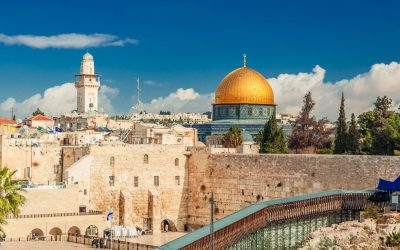
The Jewish people, with a history spanning over three millennia, have developed into a rich mosaic of communities, each with unique traditions, languages, and practices. While many are familiar with the Ashkenazi, Sephardic, and Mizrahi Jews, the global Jewish population encompasses a variety of other groups, each contributing to the diversity of Jewish life around the world. This article explores ten distinct Jewish communities, highlighting their origins, history, locations, languages, customs, and beliefs.
Mizrahi Jews
- Origins and history: Mizrahi Jews hail from the Middle East and North Africa, living in these regions since ancient times.
- Location: Countries including Iraq, Iran, Yemen, Syria, and Egypt.
- Language: Languages include Judeo-Arabic, Judeo-Persian, and others.
- Customs and beliefs: Their practices are influenced by their geographic location, with traditions that reflect the local cultures of the Middle East and North Africa.
Ashkenazi Jews
- Origins and history: Originating from Central and Eastern Europe, Ashkenazi Jews are the largest Jewish ethnic group. Their history in Europe dates back to the Middle Ages.
- Location: Historically in Germany, Poland, Russia, and Eastern Europe. Today, large populations are in the United States, Israel, and Canada.
- Language: Yiddish.
- Customs and beliefs: Ashkenazi Judaism is known for its contributions to Jewish religious scholarship, including the Talmudic and Halachic traditions. Their customs include unique liturgical practices, kosher dietary laws, and holiday observances.
Sephardic Jews
- Origins and history: Sephardic Jews trace their roots back to the Iberian Peninsula (Spain and Portugal) before their expulsion in 1492.
- Location: Initially in Spain and Portugal, they migrated to North Africa, the Ottoman Empire, and the Middle East.
- Language: Ladino (Judeo-Spanish).
- Customs and beliefs: They maintain distinct liturgical rites, known as the Sephardic rite, and have unique culinary traditions, music, and religious customs influenced by their Iberian heritage.
Beta Israel (Ethiopian Jews)
- Origins and history: Claiming descent from the ancient Israelite tribe of Dan, the Beta Israel group have a long history in Ethiopia.
- Location: Ethiopia, with a significant population now in Israel following airlift operations in the late 20th century.
- Language: Amharic and Hebrew.
- Customs and beliefs: Their religious practices include unique elements not found in Rabbinic Judaism, reflecting an ancient form of Jewish worship.
Bene Israel (Indian Jews)
- Origins and history: Believed to have arrived in India over 2,000 years ago, they have a distinct history on the Indian subcontinent.
- Location: Primarily in Mumbai and other parts of India, with some communities in Israel.
- Language: Marathi and Hebrew.
- Customs and beliefs: They observe Jewish holidays and dietary laws, with some practices influenced by their Indian environment.
Romaniote Jews
- Origins and history: Indigenous to Greece and the Eastern Mediterranean, they have resided in these areas since antiquity.
- Location: Historically in Greece, with communities now mainly in Israel and the United States.
- Language: Yevanic (Judeo-Greek).
- Customs and beliefs: They have their own liturgical traditions and customs, distinct from both Ashkenazi and Sephardic Jews.
Mountain Jews (Caucasian Jews)
- Origins and history: Originating in the Caucasus Mountains, particularly in what is now Azerbaijan and Dagestan.
- Location: The Caucasus region, with significant populations now in Israel and Russia.
- Language: Juhuri (Judeo-Tat).
- Customs and beliefs: Their traditions blend Jewish religious practices with local Caucasian influences.
Karaites
- Origins and history: A Jewish sect that emerged in the early Middle Ages, rejecting Rabbinic Judaism’s oral law in favour of a strict interpretation of the Hebrew Bible.
- Location: Small communities exist in Israel, the United States, and Turkey.
- Language: Hebrew, with the use of local languages.
- Customs and beliefs: They rely solely on the Tanakh for religious law, observing holidays and dietary laws based on their interpretation.
Krymchaks and Karaim
- Origins and history: Turkic-speaking Jews from the Crimea and Eastern Europe.
- Location: Primarily in Crimea, with smaller communities elsewhere.
- Language: Krymchak and Karaim, Turkic languages.
- Customs and beliefs: They follow Rabbinic Judaism (Krymchaks) and Karaite Judaism (Karaim), with cultural practices influenced by Turkic traditions.
Cochin Jews (Malabar Jews)
- Origins and history: One of the oldest Jewish communities in India, with a presence dating back to King Solomon’s era.
- Location: The Malabar coast of Kerala, India, with some members now in Israel.
- Language: Malayalam and Hebrew.
- Customs and beliefs: They have a rich tradition of songs and liturgy in Judeo-Malayalam, with practices that incorporate elements of Indian culture.
Each of these Jewish communities adds to the rich tapestry of Jewish life, offering a window into the diverse ways Judaism has been practised and experienced worldwide. Their varied histories, languages, and traditions underscore the pluralistic nature of Jewish identity, reflecting a global religion and culture that has adapted to many different environments while maintaining a sense of shared faith and heritage.


Leave a Reply