
Slavery has been a dark stain on human history, and Britain played a significant role in the transatlantic slave trade. However, the involvement of the British monarchy in the slave trade is not as well known.
The British involvement in the slave trade began in the late 16th century, with the establishment of the Royal African Company in 1672. The company was granted a monopoly to trade with Africa and transport slaves to the British colonies. The British became the dominant slave traders in the 18th century, transporting millions of Africans across the Atlantic to work on plantations in the Caribbean and the Americas.
The role of the monarchy in the slave trade
The British monarchy played a significant role in the slave trade, from granting charters to slave trading companies to owning slaves themselves. The following monarchs reigned during the British involvement in the slave trade.
Elizabeth I (reigned 1558-1603)
Elizabeth I granted the first charter to a slave trading company, the Company of Adventurers of London Trading into Africa, in 1588. The company transported slaves to the Spanish colonies in the Americas.
James I (1603-1625)
James I was a shareholder in the Guinea Company, which traded in gold, ivory, and slaves on the west coast of Africa.
Charles I (1625-1649)
Charles I granted a charter to the Royal African Company, which had a monopoly on the British slave trade from 1672 to 1698.
Charles II (1660-1685)
Charles II granted a new charter to the Royal African Company in 1672, which allowed the company to trade in gold, ivory, and slaves.
James II (1685-1688)
James II promoted the slave trade and granted the Royal African Company a charter in 1685.
William III (1689-1702)
William III granted a new charter to the Royal African Company in 1698, which allowed other British companies to trade in slaves.
Mary II (1689-1694)
Mary II was a shareholder in the Royal African Company.
Queen Anne (1702-1714)
Queen Anne continued to grant charters to the Royal African Company and other slave trading companies.
George I (1714-1727)
George I was a shareholder in the Royal African Company.
George II (1727-1760)
George II granted a charter to the African Company of Merchants, which traded in slaves and other goods.
George III (1760-1820)
George III owned slaves on his plantations in the Caribbean and opposed the abolition of slavery.
George IV (1820-1830)
George IV was a patron of the Royal African Society, which promoted trade with Africa.
William IV (1830-1837)
William IV supported the abolition of slavery and signed the Slavery Abolition Act in 1833.
Queen Victoria and her connections to slavery

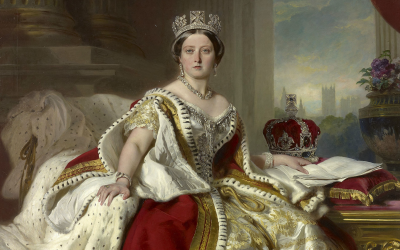
Queen Victoria reigned during the abolition of slavery in the British Empire. However, her family had connections to the slave trade. Her husband, Prince Albert’s family, owned slaves in the West Indies, and her uncle, the Duke of Sutherland, owned plantations in Jamaica. Queen Victoria also received gifts of enslaved people from other monarchs, including a young African girl named Sarah Forbes Bonetta.
British slave owners and their compensation after slavery was abolished
When slavery was abolished in the British Empire in 1833, slave owners were compensated for their loss of property. The government paid out £20 million (equivalent to £17 billion today) to slave owners. The compensation was based on the number of slaves owned and the estimated value of their labour. The compensation scheme did not compensate the enslaved people for their suffering and forced labour.
The legacy of slavery in the UK today
The legacy of slavery is still present in the UK today. Many buildings and institutions in the UK were built with money earned from the slave trade. The cities of Bristol and Liverpool were major slave trading ports, and some streets in these cities still bear the names of slave traders. The UK also has a significant African and Caribbean population descended from enslaved people.
The British monarchy had significant connections to the slave trade, from granting charters to slave trading companies to owning slaves themselves. The legacy of slavery is still present in the UK today, and it is essential to acknowledge and address this legacy to move towards a more equitable society.


Leave a Reply