
The summer solstice marks one of nature’s most significant astronomical events, occurring when the sun reaches its highest point in the sky and delivers the maximum amount of daylight to one hemisphere of our planet. For those living in the Northern Hemisphere, this celestial milestone typically falls on 20 or 21 of June, while the Southern Hemisphere experiences its summer solstice around 21 December.
The science behind the solstice
The summer solstice occurs due to Earth’s axial tilt of approximately 23.5 degrees. As our planet orbits the sun, this tilt causes different regions to receive varying amounts of solar radiation throughout the year. During the summer solstice, the North Pole is tilted toward the sun at its maximum angle, resulting in the sun appearing at its highest position in the sky for Northern Hemisphere observers.
On this day, locations north of the equator experience their longest period of daylight, with some areas above the Arctic Circle enjoying continuous sunlight for 24 hours—a phenomenon known as the “midnight sun.” Conversely, the farther north you travel, the more dramatic this effect becomes, while regions closer to the equator notice less variation in daylight hours throughout the year.
Cultural and historical significance
Throughout human history, the summer solstice has held profound cultural and spiritual significance across various civilisations. Ancient peoples carefully observed and celebrated this astronomical event, recognizing its connection to agricultural cycles and the rhythms of life itself.
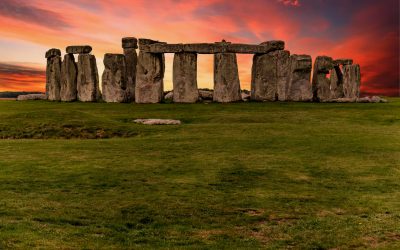
Stonehenge in England remains one of the most famous monuments aligned with the summer solstice. Built over 4,000 years ago, this prehistoric stone circle was precisely positioned so that the sun rises directly over the Heel Stone on the morning of the summer solstice, creating a spectacular visual display that continues to draw thousands of visitors annually.
The ancient Romans celebrated the festival of Vestalia during this time, honouring Vesta, the goddess of hearth and home. Germanic and Scandinavian cultures observed Midsummer, a celebration that emphasized fertility, love, and the power of nature. Many of these traditions involved lighting bonfires, which symbolically strengthened the sun’s power and were believed to ward off evil spirits.
Modern celebrations around the world
Today, summer solstice celebrations blend ancient traditions with contemporary festivities. In Sweden, Midsummer remains a major holiday featuring traditional folk dances around decorated maypoles, flower crowns, and feasts of pickled herring and new potatoes. Norway and Finland celebrate White Nights, taking advantage of the extended daylight hours for outdoor festivals and gatherings.
The summer solstice has also become significant in modern pagan and neo-pagan movements, particularly Wiccan traditions that honour it as Litha. These celebrations often focus on themes of abundance, growth, and the peak of solar energy.
Many yoga practitioners observe International Day of Yoga on 21 June, chosen specifically to coincide with the summer solstice and its symbolism of light overcoming darkness. Cities worldwide host large outdoor yoga sessions and wellness events to mark this convergence of ancient practice and astronomical significance.
The gradual return to darkness
While the summer solstice represents the peak of daylight, it also marks a turning point. The day after the solstice, daylight hours begin their gradual decrease toward the winter solstice six months later. This paradox has not been lost on various cultures, which have incorporated themes of both celebration and reflection into their solstice observations.
Ancient Celtic cultures particularly emphasized this duality, viewing the summer solstice as a time when the Oak King, representing the waxing year, gives way to the Holly King, symbolizing the waning year. This mythological transition captured the bittersweet nature of the season’s peak—the moment of greatest light that simultaneously signals the eventual return of longer nights.
Observing the summer solstice today
For modern observers, the summer solstice presents an opportunity to reconnect with natural rhythms that are often obscured by artificial lighting and indoor lifestyles. Many people choose to mark the occasion by watching the sunrise or sunset, spending extended time outdoors, or simply taking a moment to appreciate the abundance of daylight.
Gardeners often use the summer solstice as a marker for peak growing season, when many plants reach their full vigour under intense sunlight. The extended daylight hours also provide ideal conditions for outdoor activities, festivals, and community gatherings that celebrate the warmth and energy of summer.
The summer solstice serves as a powerful reminder of our planet’s celestial dance and our deep connection to the natural world. Whether observed through ancient ritual, modern celebration, or quiet personal reflection, this longest day of the year continues to inspire wonder and mark humanity’s enduring relationship with the cosmos. As we experience the peak of solar energy and abundant daylight, the summer solstice invites us to embrace the fullness of the season while remaining mindful of the ever-turning wheel of time.


Leave a Reply