
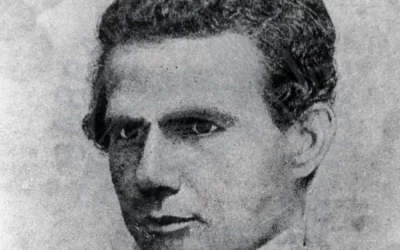
Samuel Jackman Prescod stands as a towering figure in the annals of Barbadian history, embodying the relentless fight for justice, equality, and representation. His journey from the margins of society to the heart of political power is not just a personal triumph but a testament to the indomitable spirit of a people striving for change in the face of formidable odds.
Early Life: The struggle against exclusion
Born in 1806 in Bridgetown, Barbados, Prescod’s early life was marred by the systemic racial injustices of the colonial era. As a person of mixed race in a society deeply entrenched in racial hierarchies, his prospects were limited from the outset. Despite these barriers, Prescod’s thirst for knowledge and justice drove him to educate himself, a quest that laid the foundation for his future endeavours.
The Law of 1697, a colonial statute, prohibited people of African descent from participating in political life, effectively excluding a significant portion of the population from the democratic process. Prescod, acutely aware of this injustice, began his lifelong mission to dismantle these barriers, advocating for the rights and dignity of the marginalised and oppressed.
Political ascension: Breaking barriers

The relentless advocacy and growing influence of Prescod culminated in a historic moment in 1843, when he became the first person of African descent elected to the Barbados Parliament. This monumental achievement was not just a personal victory for Prescod but a beacon of hope for the disenfranchised masses, symbolising the possibility of change in a deeply unequal society.
Journalistic endeavours: Amplifying the voice of the people
Prescod’s contributions extended beyond the political arena. He was deeply involved with the New Times newspaper, where he used his platform to challenge the status quo, advocate for social reform, and give voice to the voiceless. His journalism was marked by incisive commentary, fearless criticism of colonial policies, and a steadfast commitment to truth and justice.
Advocate for land reform: Champion of the common man
Among his many crusades, Prescod is notably remembered for his vehement protests against the exorbitant prices that landowners imposed on small plots of land. He recognised that land ownership was integral to the working class’s economic independence and social mobility. By challenging these exploitative practices, Prescod fought to ensure that ordinary Barbadians had a stake in the land of their birth.
Other Achievements and contributions
Samuel Jackman Prescod’s legacy is multifaceted. His relentless pursuit of suffrage expansion led to the enactment of the 1840 Electoral Act, which broadened the electorate. He was a staunch advocate for education reform, understanding its role as a catalyst for social change. His efforts were instrumental in establishing the Barbados Mutual Life Assurance Society, aiming to provide financial security to the island’s black population.
Enduring Legacy: The first National Hero of Barbados
Prescod’s contributions to Barbados were recognised posthumously when he was named the first National Hero of Barbados in 1998. His life’s work laid the groundwork for the progressive, inclusive society that Barbados strives to be today. As Barbadians navigate the complexities of the 21st century, the story of Samuel Jackman Prescod remains a source of inspiration, a reminder of the power of resilience, and the transformative impact of visionary leadership.


Leave a Reply