
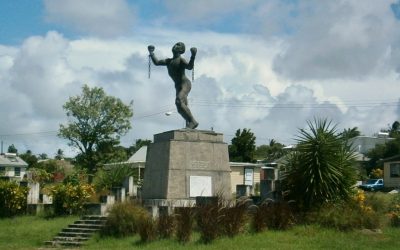
The Bussa Rebellion stands as a monumental event in the history of Barbados, representing the largest slave revolt ever witnessed on the island. Led by the African-born slave Bussa, this rebellion marked the beginning of a series of uprisings in the British West Indies during the early 19th century. Despite its ultimate suppression, the Bussa Rebellion left an indelible mark on the fight for freedom and emancipation.
Historical Context: The Struggles of Enslaved People
To truly understand the significance of the Bussa Rebellion, it is essential to examine the historical context in which it unfolded. Like many other Caribbean islands, Barbados was deeply entrenched in the transatlantic slave trade, with enslaved Africans comprising the backbone of the island’s economy. The institution of slavery was characterised by brutal living conditions, forced labour, and the dehumanisation of millions of individuals. Enslaved people were subjected to physical and psychological abuse, with their lives controlled entirely by their owners. The relentless oppression and exploitation fueled a growing desire for freedom and justice among the enslaved population.
The Spark of Resistance: Planning the Rebellion
The seeds of rebellion were sown in the hearts and minds of the enslaved people of Barbados well before the outbreak of the Bussa Rebellion. The catalyst for the revolt was the rejection of the Imperial Registry Bill by the Barbadian House of Assembly in November 1815. This bill aimed to register colonial slaves, a move that the enslaved population believed would only intensify their suffering. In response, secret meetings took place in February 1816, as enslaved individuals clandestinely organised their resistance.
The rebellion was organised on various sugar cane plantations across the island. Each estate selected its own leader, resulting in a decentralised network of insurrection. Notable leaders included John Grigg, Nanny Grigg, Jackie, King Wiltshire, Dick Bailey, Johnny, and, of course, Bussa himself. These leaders played a crucial role in rallying their fellow enslaved individuals and coordinating the uprising.
Propaganda and Mobilisation: Spreading the Message
In addition to the covert planning, the rebellion was accompanied by a sophisticated propaganda campaign orchestrated by free, literate black men. Cain Davis, Roach, and Richard Sarjeant emerged as key figures in disseminating information and mobilising rebels. Davis held meetings with slaves from different coastal plantations, coordinating rebellion plans and sharing rumours. Sarjeant, on the other hand, mobilised rebels in the central parishes. Through their efforts, the message of resistance spread, igniting a sense of unity and purpose among the enslaved population.
The Day of Rebellion: April 14, 1816
After months of careful planning and preparation, the Bussa Rebellion erupted on April 14, 1816. The rebellion began with the burning of cane fields in St. Philip parish, serving as a signal to rebels in other parishes that the uprising had commenced. The flames of resistance quickly spread across neighbouring parishes, with cane fields ablaze and white plantation owners and overseers fleeing in fear.
The initial days of the rebellion saw over seventy estates affected, but the local militia had yet to engage with the rebels. Despite the widespread nature of the uprising, only two white individuals were reported killed during this period. The rebellion was gaining momentum, and the enslaved population held hope for a brighter future.
Suppression and Repression: Martial Law and its Consequences
The British colonial authorities swiftly responded to the rebellion by declaring martial law on April 15, 1816. The local militia, supported by British imperial troops, including enslaved soldiers, were deployed to quell the uprising. The governor of Barbados, Sir James Leith, reported that by September, 144 individuals had been executed, with seventy more sentenced to death and 170 deported to neighbouring British colonies in the Caribbean.
During the eighty days of martial law, alleged rebels faced brutal retribution in the form of floggings, further perpetuating the cycle of violence and oppression. Despite its initial promise, the rebellion was ultimately suppressed through a combination of military force and harsh punishments.
Legacy and Impact: The Fight for Emancipation Continues
While the Bussa Rebellion may have been short-lived, its impact on the fight for emancipation in Barbados and beyond cannot be overstated. The rebellion served as a powerful symbol of resistance, inspiring future generations to continue the struggle for freedom and equality. The sacrifices made by those who participated in the rebellion laid the groundwork for the eventual abolition of slavery in Barbados and the broader Caribbean region.
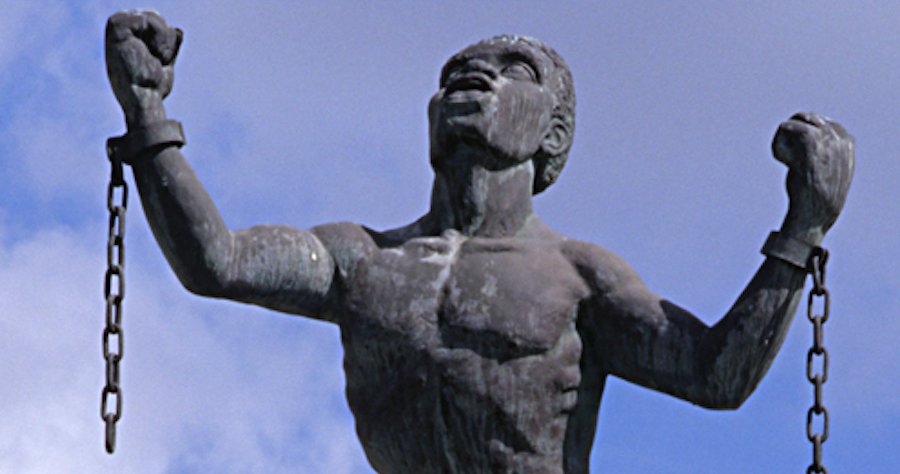
Bussa was posthumously awarded the Barbados Order of National Heroes. The Bussa Emancipation Statue, erected in 1985 in Bridgetown, stands as a testament to the bravery and resilience of those who fought for freedom during the rebellion. It serves as a reminder of the ongoing struggle for justice and the importance of remembering and honouring the stories of those who came before us.
As we reflect on the Bussa Rebellion, let us draw inspiration from the courage and determination of those who paved the way for a brighter future.


Leave a Reply